



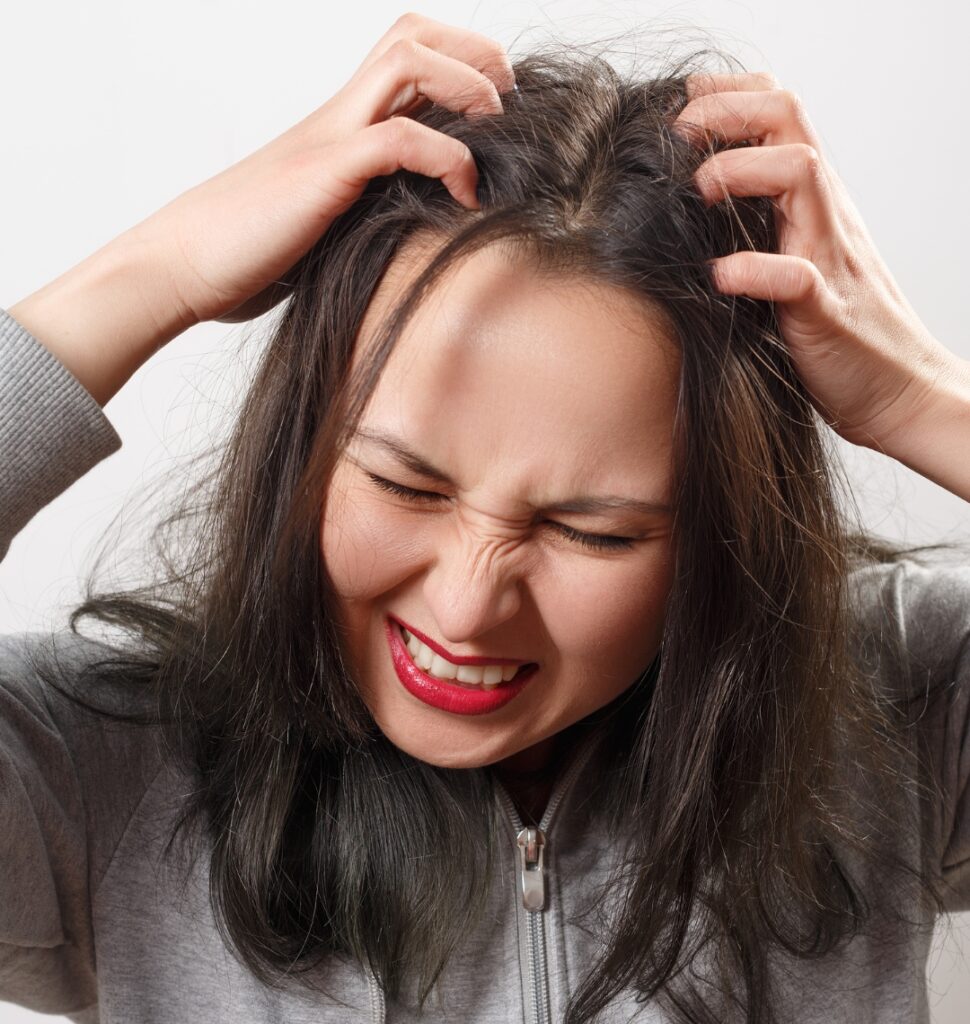
A severe salon accident turns a routine self-care appointment into a life-altering medical emergency. You sit in the chair. You trust the stylist. You expect to leave looking better. You do not expect to leave in an ambulance. But the reality is harsh. Salons use dangerous chemicals. They use high heat. They use sharp tools.
The power dynamic in a salon accident is unfair. Your skin is soft. Your eyes are vulnerable. Conversely, the products are aggressive. Bleach destroys pigment. Lasers burn layers of skin. Hot wax rips. A stylist holds a sharp shear near your face. One slip changes everything. One wrong mix of chemicals causes a reaction. The damage happens in seconds. But the scars can last for years.
The beauty industry is massive. It is a billion-dollar machine. However, this speed creates risk. Salons pack schedules tight. They rush appointments. Owners push staff to work faster. Sanitation takes time. Safety checks take time. Often, profit comes before safety. This rush leads to a salon accident.
Think of the salon chair as a zone of surrender. You cannot see the back of your head. You likely do not know the chemical mix in the bowl. You trust the professional. When a salon accident occurs, that trust is broken. It is not just an error. It is a betrayal of safety standards.
We cannot treat every salon accident the same. A cut from a nail tech is different from a laser burn at a med spa. We must break this down. We need to look at the specific agents of harm.
A hair salon accident often involves aggressive chemicals. Stylists use bleach, relaxers, and dyes. These products burn if left on too long. They burn if mixed wrong.
Furthermore, heat tools pose a risk. Curling irons reach 400 degrees. A drop on a lap or a burn to the ear is common. These burns are instant. They are painful. They often require medical treatment.
A nail salon accident is usually microscopic at first. It starts small. Then it grows. The risk here is infection.
Sanitation is the law. Yet, many shops skip steps. They re-use files. They do not scrub the tubs. This negligence causes a salon accident.
The “Med Spa” is a dangerous hybrid. It looks like a salon. But it acts like a clinic. A salon accident here involves medical-grade devices.
Lasers are not toys. They are weapons of light. If the setting is too high for your skin type, you will burn. This is a severe salon accident.
Hot wax is a common cause of a salon accident. The skin on the face is thin. It tears easily.
If you use retinol, wax rips your skin. The tech must ask. If they fail to ask, they are at fault for the salon accident.
The location changes the risk profile. A salon accident in a busy city center differs from one in a quiet suburb. The environment plays a huge role.
In Manhattan, rent is high. Space is tight. Salons are crowded.
In Queens, Brooklyn, or the Bronx, oversight varies.
Outside the city, some salons operate in homes or converted spaces.
Determining who pays for a salon accident is tricky. Owners try to hide. They use legal shields. You need to know where to look.
Many stylists are not employees. They are “independent contractors.” They rent a chair.
Generally, an employer is responsible for their staff. This is “Respondeat Superior.” If an employee causes a salon accident while working, the business pays.
Sometimes, the stylist did everything right. The product was bad. The bottle exploded. The chemical mix was toxic.
Most salons are private. However, some are public. A salon accident might happen at a beauty school.
If your injury happens at a BOCES program, a CUNY college, or a city-run vocational school, the rules change. These are government entities.
We do not just claim you are hurt. We translate that hurt into dollars. A salon accident has specific costs. We map the injury to the wallet.
Evidence in a salon accident disappears fast. You must act immediately. Salons clean up quickly.
Most salons have cameras. They watch the register. They watch the floor.
Intake forms prove they knew your allergies. Patch test records prove they checked safety.
Do not wash the clothes you wore. They might have chemical splatter. Take photos of the station. Take photos of the bottle.
A salon accident is not vanity. It is an injury. The insurance companies will dismiss you. They will say it is a “minor beauty error.” They will offer a coupon or a refund. Do not take it. A refund does not fix a scar. A coupon does not cure an infection.
You need a team that knows the industry. We know the difference between a sanitize cycle and a rinse. We know the laws of cosmetology. We check the licenses. We find the insurance policies. We hold them accountable. If you were injured in a salon accident, start a free case evaluation to discover if Pain Injury Law can help your accident case.
Answer a few simple questions to get started.
We assign a customized care team consisting of a lawyer, paralegal, and case manager to your claim.
Check in at your convenience to see how your case is going. Message your care team and upload documents right from your phone or choose another way to reach out and receive updates.
Our community is the driving force behind Pain Injury Law. For decades, our attorneys and affiliates have served as a lifeline to injured New Yorkers struggling to overcome the physical, financial, and emotional hardships that come with getting hurt. Meet the Client Care Team doing the actual work on your case.
All of the emails, paperwork, meetings, calls, court appearances… it’s all free unless we win your injury case.
All of the emails, paperwork, meetings, calls, court appearances… it’s all free unless we win your injury case.
Because getting injured is hard, getting legal help doesn’t have to be. To provide a secure and customized experience, Pain Injury Law uses cookies and tracking technologies. By clicking “Allow All,” you affirmatively consent to our use of internal session-monitoring technologies for security purposes, as well as the sharing of your device identifiers, web traffic, and audio-visual video viewing history on our public pages with third-party advertising partners. By making a selection, you acknowledge you have read and agree to our Privacy Policy and Terms of Use.