



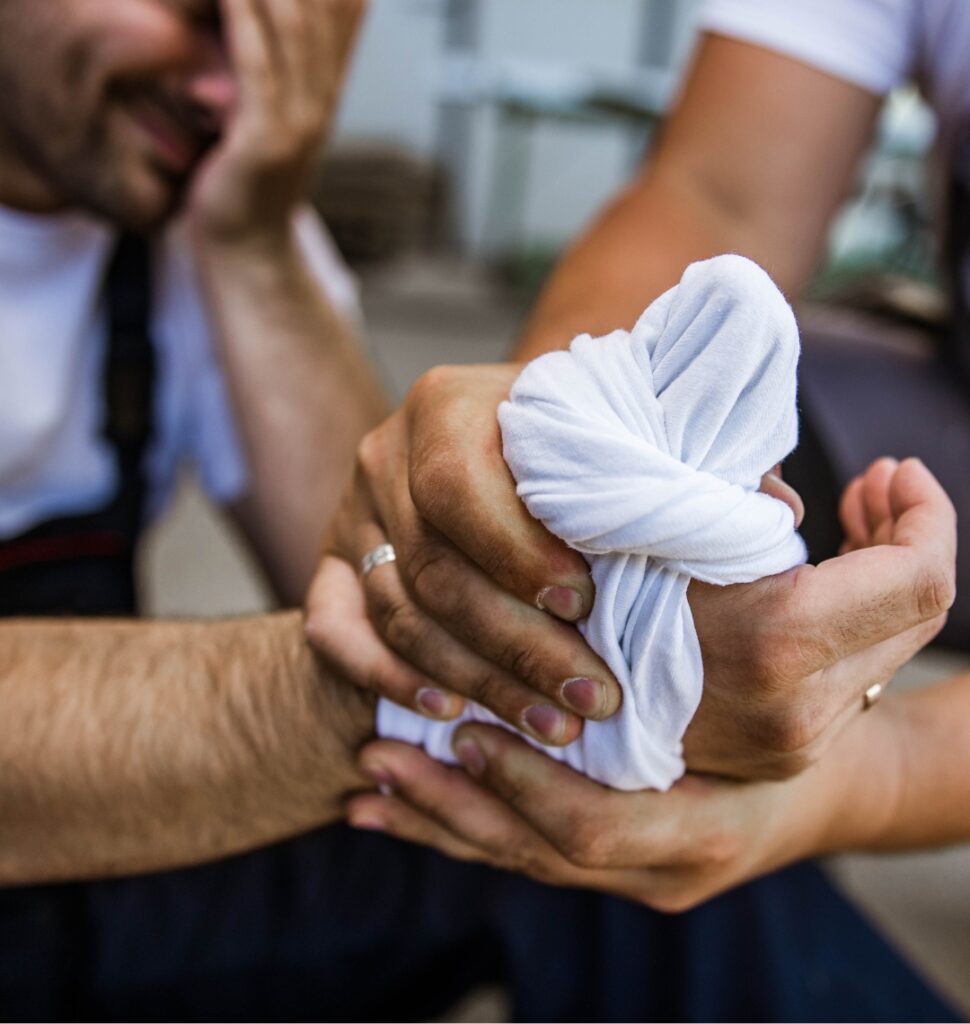
Hundreds of thousands of people in the United States receive medical treatment for burn injuries every year, and tens of thousands require hospitalization. Burn injuries can occur anywhere—at home, at work, on the road, or because of a defective product. They may result from fire, chemicals, electricity, hot liquids, or other heat sources and can range from relatively minor to life-threatening.
Hospital stays for burn-related injuries are often significantly longer and more expensive than the average inpatient stay. Treatment may involve multiple surgeries, intensive wound care, skin grafting, rehabilitation, and ongoing specialist follow-up. Severe burns also carry a high risk of complications, including infection, limited mobility, chronic pain, disfigurement, and psychological effects such as anxiety, depression, or post-traumatic stress.
Many burns are preventable and occur when someone else failed to act safely—such as a negligent property owner, employer, landlord, product manufacturer, or driver.
In New York, individuals who suffer burn injuries due to another party’s negligence have the right to pursue compensation for their medical expenses, lost income, pain and suffering, and other related losses. To avoid getting burned by the legal process and having a settlement come up short, they need to work with the right legal team.
We’ve all had the painful experience of getting too close to a hot surface and feeling the discomfort of burned skin. We instantly pull back to assess the damage. The wound turns red, blisters, and causes minor annoyance and pain for a few days. It’s an injury to monitor, but nothing too severe.
While many minor burns heal fully within a short period, severe burns can cause permanent damage and require months or even years of medical recovery. Burns are based on the depth of tissue damage. Medical expenses rise dramatically as burn depth and tissue damage increase.
Because medical needs—and related costs—increase sharply with burn severity, compensation claims involving moderate or severe burns must consider not only current medical bills, but also future treatment, lost income, rehabilitation, and long-term physical and emotional effects.
And complications from a burn injury—even one that appears minor at first—may not reveal themselves right away. Before accepting a settlement or assigning a dollar value to a claim, it’s important to let the healing process unfold, follow medical guidance, and consult an experienced injury attorney.
Burn injuries are more serious than many people realize—until they suffer a burn that requires medical attention.
According to the American Burn Association, an estimated 486,000 people receive medical treatment for burn injuries in the United States each year, and approximately 40,000 require hospitalization at hospitals or burn centers.
When severe burns do occur, they are most often linked to a few preventable causes. Recent burn center data show:
The majority of burn injuries occur in homes and residential settings, but thousands also happen at work, in public spaces, and on the road.
Serious burn injuries are most likely to happen at home—commonly due to cooking incidents, heating equipment, electrical hazards, or defective household products. Burns can also occur:
Burn injuries can happen anywhere, at any time. The likelihood and severity can hinge on where a person lives, works, or travels. Population density, building age, safety compliance, industry type, and access to emergency services all play significant roles.
In New York, where millions of people live in older, multi-unit housing, rely on public transportation, and work in high-risk occupations, understanding how and why burn injuries occur locally is a key step in identifying what—and who—may be responsible.
Burn injuries affect thousands of New Yorkers every year, and the risks are shaped by the state’s dense population, aging buildings, transportation systems, and industrial workforce. Several factors can make burn incidents more prevalent—and more severe— in New York:
When burn injuries occur in New York, patients may receive specialized treatment at one of the state’s dedicated burn centers, including New York-Presbyterian, NYU Langone Health, Westchester Medical Center, and regional burn units statewide. These facilities provide advanced wound care, grafting, reconstructive surgery, rehabilitation, and psychological support.
New York offers exceptional medical care for burn survivors, but treatment costs can rise quickly, and victims may be unable to work during recovery. If someone else’s negligence caused the injury, the law may require that party—not the victim—to cover medical bills, lost income, and other damages.
Severe burns frequently require surgical treatment that includes wound cleaning, removal of damaged tissue, and skin grafting. Many patients undergo multiple operations, and medical care can continue long after the initial hospitalization.
National healthcare data show that burn-related hospital stays average 8.1 days—nearly double the 4.5-day average for all other inpatient stays—and cost more than twice as much.
Burn care can be more expensive not only because of longer hospital stays, but because burn injuries may require intensive, prolonged, and multidisciplinary treatment. Major treatment cost drivers include:
These services and costs can accumulate over the course of treatment and drive total medical bills into the six- or seven-figure range, particularly when complications occur or when ongoing rehabilitation and additional surgeries are required.
Beyond medical bills from hospitalization, grafting, infection management, reconstructive procedures, therapy, and psychological care, burn survivors may also face lost wages, diminished earning capacity, permanent scarring or disfigurement, and emotional trauma.
Many burn injuries are preventable, and when they result from unsafe conditions, careless behavior, or violations of law, one or more parties may be financially responsible.
Depending on how and where the injury occurred, potential defendants may be landlords, building owners, employers, manufacturers, delivery companies, utilities, or government entities.
Owners and property managers may be liable when fires or burn hazards stem from:
Liability may apply in apartment buildings, rental homes, commercial spaces, or public facilities
Burn injuries may result from dangerously designed, defective, or improperly labeled products, including:
Product liability claims do not require proof of negligence—only proof that the product was defective and caused injury.
Workplace burns may arise from:
While workers’ compensation generally covers medical expenses and lost wages, injured workers may also pursue a third-party lawsuit against negligent contractors, manufacturers, property owners, or utility companies.
Burns caused by vehicle collisions, explosions, or post-crash fires may lead to claims against:
Defective fuel systems, batteries, or electrical components may also create product liability claims.
Gas leaks, electrical malfunctions, and equipment failures may stem from:
These cases often require technical investigation and expert analysis.
Municipalities, public housing authorities, or transportation agencies may be liable for:
Claims against government entities follow shorter deadlines and special procedural requirements.
Serious burn cases frequently involve multiple responsible parties, overlapping insurance policies, and competing narratives about what caused the fire or exposure. Determining legal responsibility can involve detailed investigation that involves:
Even if it may seem obvious how a burn happened, and who’s to blame, identifying every party that may be responsible is a necessary step to securing full compensation for the substantial medical costs, long recovery periods, and permanent effects of a burn injury.
Hiring the wrong injury law firm is like playing with fire.
You already got burned once. Don’t get burned again by hiring a firm that deals with injury claims the old-fashioned way. Pain Injury Law leverages the latest legal technology so you can take control of your claim, your health, and your future. The best lawyers and support staff, deploying the best legal tech, puts you at the center of the claims process. Learn how.
Answer a few simple questions to get started.
We assign a customized care team consisting of a lawyer, paralegal, and case manager to your claim.
Check in at your convenience to see how your case is going. Message your care team and upload documents right from your phone or choose another way to reach out and receive updates.

Our community is the driving force behind Pain Injury Law. For decades, our attorneys and affiliates have served as a lifeline to injured New Yorkers struggling to overcome the physical, financial, and emotional hardships that come with getting hurt. Meet the Client Care Team doing the actual work on your case.
All of the emails, paperwork, meetings, calls, court appearances… it’s all free unless we win your injury case.
All of the emails, paperwork, meetings, calls, court appearances… it’s all free unless we win your injury case.
Because getting injured is hard, getting legal help doesn’t have to be. To provide a secure and customized experience, Pain Injury Law uses cookies and tracking technologies. By clicking “Allow All,” you affirmatively consent to our use of internal session-monitoring technologies for security purposes, as well as the sharing of your device identifiers, web traffic, and audio-visual video viewing history on our public pages with third-party advertising partners. By making a selection, you acknowledge you have read and agree to our Privacy Policy and Terms of Use.