



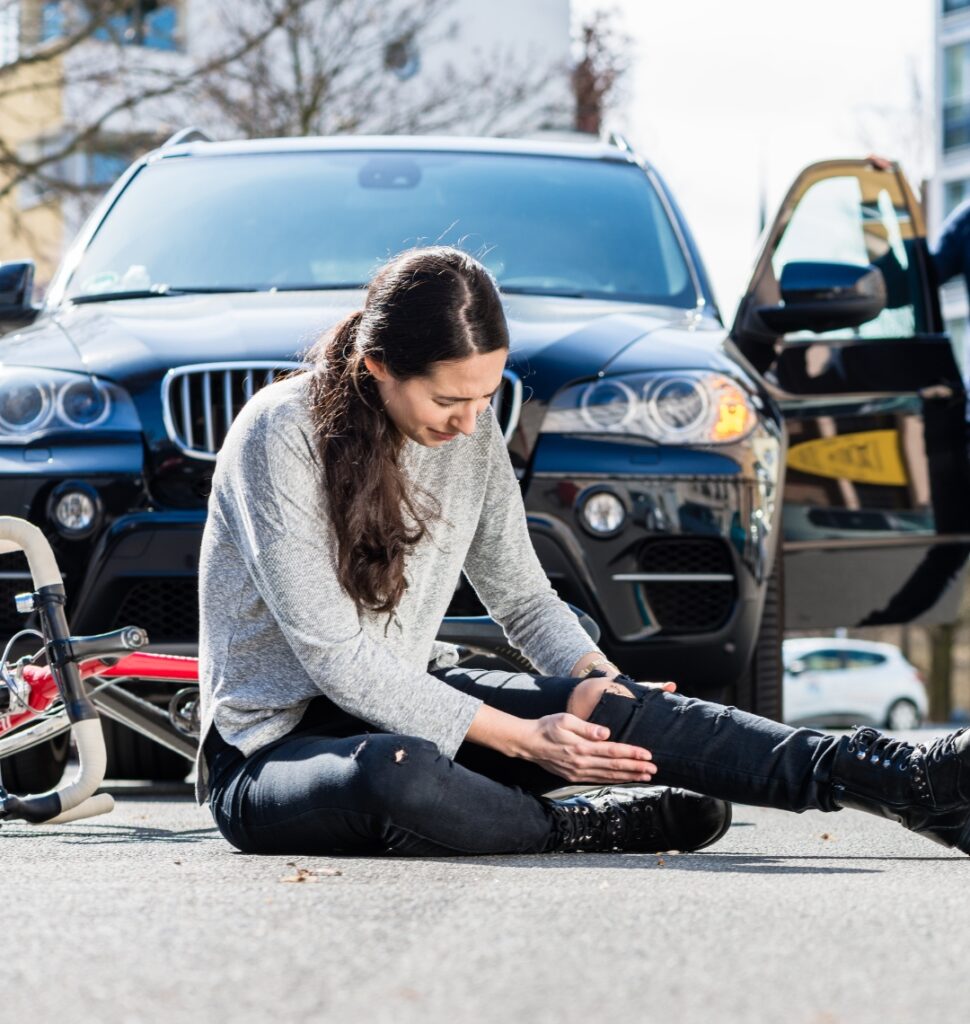
Cycling has never been more popular in New York. From the packed bridges of Manhattan to bike-friendly corridors in Rochester, Albany, and the Hudson Valley, ridership is at an all-time high.
The growth of two-wheeled, human-powered transit brings benefits like less traffic, cleaner air, and healthier commutes, but it has also led to a sharp rise in serious bicycle crashes.
Bicyclists and drivers have long struggled to safely share New York’s streets, roads, and highways. Cyclists may have the same rights to the road as motor vehicles, but when a bike and a vehicle collide, the outcome is rarely in the rider’s favor. And despite meaningful efforts to make New York more bike-friendly, today’s cyclists face risks not only from distracted or aggressive drivers, but also from the explosion of e-bikes and e-scooters crowding the same lanes and corridors.
Whether your collision happened on a crowded New York City street or a rural state highway, with a passenger car, a municipal truck, or an electric delivery bike, New York law gives cyclists access to no-fault benefits and the ability to pursue a claim against a negligent driver.
Understanding your rights as both a cyclist and a New Yorker can make all the difference in your recovery—and make your claim as painless as possible.
New York is experiencing a statewide cycling boom. New York City Department of Transportation (NYC DOT) screenline counts show bicycle use at record highs, and cities like Buffalo, Rochester, Albany, and Syracuse are also reporting significant increases as they expand bike lanes and invest in safer corridors.
More riders, however, means more crash exposure. The growth in cycling has outpaced the growth in safety infrastructure, leading to more collisions involving bicycles, cars, commercial vehicles, and increasingly, e-bikes and e-scooters.
According to the NYC DOT, annual bicycle counts at key Manhattan bridge and screenline locations increased from 31,979 riders in 2018 to 43,887 in 2024—a 37% jump in just six years.
As ridership has grown, crash exposure has grown with it. More people on bikes, more trips, and more interaction with motor vehicles inevitably lead to more opportunities for serious collisions, even as New York expands protected bike lanes, lowers speed limits, redesigns dangerous intersections, and commits to Vision Zero and similar efforts to make cycling safer across the state.
NYC DOT’s Bicycle Crash Data Report 2024 shows:
While DOT’s Cycling Risk Indicator shows a decline in risk per rider over time, the total number of injured cyclists remains high because cycling volume continues to grow.
According to the Governor’s Traffic Safety Committee and the New York State DOT:
In recent years, cycling in New York has not only increased in volume but also diversified in its modes and participants. The 2024 NYC DOT report describes crashes involving:
This changed transportation mix increases speed differentials, creates congestion in bike lanes, and raises both the frequency and severity of collisions.
The rise of motorized two-wheelers alongside traditional cycling adds a new dimension to bicycle crash risk in New York. Even though they’re often touted as a “greener” transport solution, they’re making many New Yorkers see red and triggering a backlash, with a May 2024 New York Times Headline asking, “Have E-Bikes Made New York City a ‘Nightmare’?”
Cyclists share the road with cars, trucks, municipal vehicles, and now, a growing fleet of motorized two-wheelers. When a crash happens, New York laws determine who pays for your medical care, when you can pursue compensation, and how fault is evaluated.
Under New York’s no-fault laws:
Importantly, no-fault covers your immediate expenses but not your pain and suffering.
To pursue compensation beyond no-fault—such as pain and suffering or long-term disability—you must meet New York’s “serious injury” threshold under Insurance Law §5102(d). Cyclists often meet this standard because crashes frequently involve:
Meeting this threshold allows you to seek compensation beyond what no-fault provides.
Under Vehicle & Traffic Law §1231, bicycles are fully recognized as vehicles. Drivers must:
Violations of these duties strengthen a cyclist’s negligence claim.
New York requires drivers to:
Dooring is a statewide problem—wherever there is on-street parking, bike crashes occur.
New York uses pure comparative negligence. You may still recover compensation even if you were:
Your recovery is reduced by your percentage of fault—not eliminated.
Crashes involving motorized two-wheelers raise additional questions:
These cases require careful legal analysis since insurance coverage varies widely.
You may have a claim against a government entity (e.g., city, county, or the State of New York) if your crash was caused by:
These cases typically require a Notice of Claim within 90 days of the crash. Missing this deadline can prevent you from pursuing compensation.
Your case may involve multiple defendants, higher insurance limits, and additional legal requirements if you were struck by a:
These cases may require a deeper investigation into GPS logs, company policies, vehicle maintenance records, or municipal procedures.
Hit-and-run crashes are common in urban, suburban, and rural areas across New York. If the driver flees:
Hit-and-run cases often turn on early investigation, video footage, witness statements, and prompt legal action to preserve available evidence.
A bicycle crash leaves you with little time to think. In the chaotic moments afterward, a few steps can protect both your health and your legal rights:
Cyclists are uniquely exposed in crashes, and New York law allows you to recover compensation for losses that are especially common in bicycle accidents, including:
Bicycling boosts physical and mental health and connects you more deeply to your community. Yet the risks of riding a bike can almost feel punitive at times as cars, trucks, and e-bikes whiz by, putting you in harm’s way.
Technology has made riding safer through innovations such as advanced helmets, smart bike accessories, and connected systems. At Pain Injury Law, technology has also made the injury claims process simpler and more streamlined, allowing you to handle most of your claim right from your device.
Were you hit on your bike? Did a near miss or road defect cause you to crash? Let us know how you were hurt, and we’ll let you know how we can help.
Answer a few simple questions to get started.
We assign a customized care team consisting of a lawyer, paralegal, and case manager to your claim.
Check in at your convenience to see how your case is going. Message your care team and upload documents right from your phone or choose another way to reach out and receive updates.

Our community is the driving force behind Pain Injury Law. For decades, our attorneys and affiliates have served as a lifeline to injured New Yorkers struggling to overcome the physical, financial, and emotional hardships that come with getting hurt. Meet the Client Care Team doing the actual work on your case.
All of the emails, paperwork, meetings, calls, court appearances… it’s all free unless we win your injury case.
All of the emails, paperwork, meetings, calls, court appearances… it’s all free unless we win your injury case.
Because getting injured is hard, getting legal help doesn’t have to be. To provide a secure and customized experience, Pain Injury Law uses cookies and tracking technologies. By clicking “Allow All,” you affirmatively consent to our use of internal session-monitoring technologies for security purposes, as well as the sharing of your device identifiers, web traffic, and audio-visual video viewing history on our public pages with third-party advertising partners. By making a selection, you acknowledge you have read and agree to our Privacy Policy and Terms of Use.