



An MTA accident changes a life in the split second it takes for steel to meet bone. The air pressure shifts when a city bus passes a pedestrian. You feel the heat from the engine and the vibration in the pavement. It is a visceral reminder of the massive forces at play on New York City streets every day.
The math of a collision is brutal and unforgiving. A standard New York City transit bus weighs roughly 30,000 to 40,000 pounds. A loaded articulated bus can exceed 60,000 pounds. A pedestrian weighs, on average, 150 to 200 pounds.
When an MTA accident occurs, the lighter object absorbs almost all the energy. The bus driver sits high above the impact zone, often unaware a collision even happened until they hear a scream or a thump. Physics dictates that a bus traveling at 30 mph needs nearly 40% more stopping distance than a passenger car. By the time a driver reacts, the machine has already closed the gap.
This machinery is the backbone of the local economy. The Metropolitan Transportation Authority moves millions of people daily. The city never sleeps, and neither does its transit system. To keep New York running, these vehicles must be aggressive. They merge into traffic, pull out of stops, and navigate tight turns on a tight schedule. This necessity creates a permanent friction between efficiency and safety.
The power dynamic in an MTA accident is skewed from the start. You are not just fighting a driver; you are fighting a public authority. The MTA is a massive entity with its own police force, legal team, and claims department. The truck always wins on the street, and the Authority tries to win in the courtroom. They hold the evidence, the logs, and the resources. This guide breaks down how to level that playing field.
Risk is not a monolith. An MTA accident involving a bus on 14th Street is legally distinct from a subway trip-and-fall in Queens. You must treat each vehicle type as a unique agent of harm.
Buses are the most visible threat. They operate in the same chaotic lanes as taxis, bikes, and pedestrians. The primary risks here are blind spots and “tail swing.” When a 40-foot bus turns left, the rear swings right. This tail swing can crush a pedestrian standing on a curb.
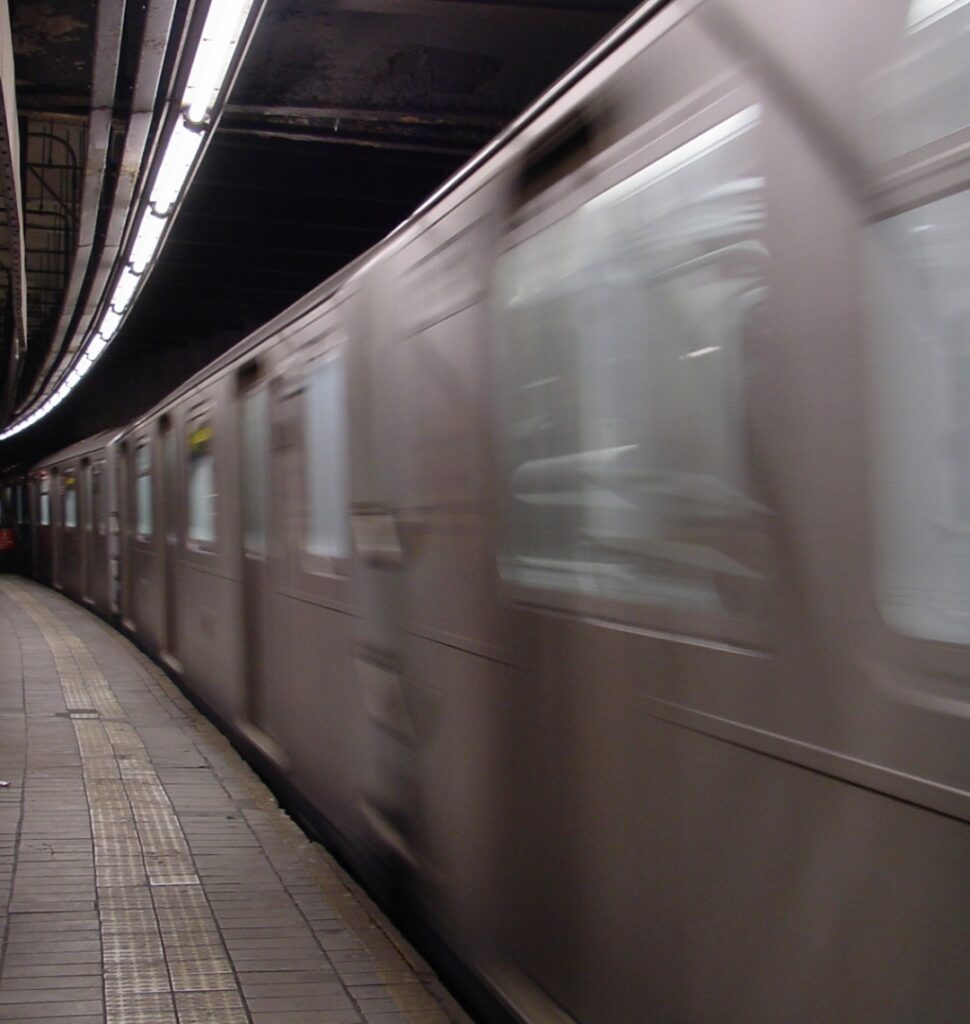
The subway is a closed loop of high-voltage danger. An MTA accident here often involves the station environment rather than the train hitting someone. Slips on wet platforms, trips over uneven gaps, or injuries from closing doors are common.
The MTA fleet includes thousands of support trucks. These are not passenger vehicles. They are dump trucks, repair vans, and emergency response units. They often park in bike lanes or double-park to perform work.
A crash does not happen in a vacuum. The location dictates the nature of the MTA accident and the injuries that follow. Each borough has a distinct “personality” of risk.
In Manhattan, speed is rarely the issue. The danger is density. An MTA accident here usually involves a bus turning into a crosswalk filled with people. The grid system forces sharp turns at 90-degree angles.
The Bronx, Queens, and Brooklyn offer long, wide avenues. Here, buses can reach speeds of 30 or 40 mph. The Grand Concourse or Queens Boulevard acts like a highway.
Anywhere the MTA repairs tracks or stations becomes a high-risk zone. Debris falls from elevated tracks. Tools drop from scaffolding.
The MTA is not a private company. It is a public benefit corporation. This status gives it special legal armor. You cannot just file a lawsuit and wait. You must follow a strict, unforgiving procedural path.
This is the single most critical rule in any MTA accident case. You do not have three years to sue. You have 90 days to file a “Notice of Claim.”
If you are a passenger on a bus, you are covered by No-Fault insurance. This pays for your medical bills and lost wages up to $50,000.
The MTA is a parent umbrella. Underneath, there are many smaller agencies.
We translate physical pain into financial recovery. An injury is not just a feeling; it is a cost. The system values a case based on medical treatment, pain, and future loss.
New York law allows recovery for the loss of your life’s pleasures. If you can no longer pick up your child, that has a value. If you cannot run, dance, or sit without pain, the jury assigns a dollar amount to that silence in your life.
Time is the enemy of evidence. In an MTA accident, the evidence is digital, and digital evidence is fragile.
Your legal team must send a letter demanding the preservation of this evidence instantly. This letter puts the MTA on notice. If they destroy the evidence after receiving the letter, a judge can punish them. We call this “spoliation of evidence.” It can win a case.
The aftermath of an MTA accident is a maze of paperwork, doctors, and adjusters. The Authority has a roadmap to deny your claim. You need a roadmap to prove it. They have teams of investigators working to protect their budget. You need a team working to protect your future.
Don’t let the clock run out on your rights.
We match their technology with ours. We know where the cameras are. We know how to read the black box data. We know the difference between the NYCTA and MABSTOA.
Technology has made riding easier through innovations such as real-time tracking, contact-less payments, and more. At Pain Injury Law, technology has also made the injury claims process simpler and more streamlined, allowing you to handle most of your claim right from your device.
Answer a few simple questions to get started.
We assign a customized care team consisting of a lawyer, paralegal, and case manager to your claim.
Check in at your convenience to see how your case is going. Message your care team and upload documents right from your phone or choose another way to reach out and receive updates.

Our community is the driving force behind Pain Injury Law. For decades, our attorneys and affiliates have served as a lifeline to injured New Yorkers struggling to overcome the physical, financial, and emotional hardships that come with getting hurt. Meet the Client Care Team doing the actual work on your case.
All of the emails, paperwork, meetings, calls, court appearances… it’s all free unless we win your injury case.
All of the emails, paperwork, meetings, calls, court appearances… it’s all free unless we win your injury case.
Because getting injured is hard, getting legal help doesn’t have to be. To provide a secure and customized experience, Pain Injury Law uses cookies and tracking technologies. By clicking “Allow All,” you affirmatively consent to our use of internal session-monitoring technologies for security purposes, as well as the sharing of your device identifiers, web traffic, and audio-visual video viewing history on our public pages with third-party advertising partners. By making a selection, you acknowledge you have read and agree to our Privacy Policy and Terms of Use.