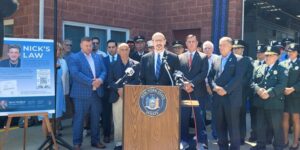


New York Governor Kathy Hochul has allocated $27.5 million to renovate Elmhurst Care Center, a 515-bed nursing home in Queens. The funds will be used to modernize the facility, improve resident care, and enhance the overall experience for both residents and staff.
Specifically, the funding will support:
Infrastructure upgrades: Modernizing the building’s infrastructure, including electrical, plumbing, and HVAC systems.
Resident room renovations: Improving resident rooms to create a more comfortable and welcoming environment.
Common area enhancements: Creating more inviting and functional common areas for residents to socialize and participate in activities.
Technology investments: Upgrading tech to promote care coordination, resident engagement and communication.
These improvements are aimed at addressing long-standing liability issues at this nursing home facility, and many public medical facilities across New York State. Having knowledge of problems and failing to address them could be seen as a medical breach of their duty to provide a safe environment. Residents injured could claim gross negligence, which could lead to the possibility of punitive damages. The facilities’ failure to fix known issues could be used in a potential lawsuit to demonstrate a disregard for the safety of their residents. Maintenance companies and even regulatory bodies, like the state, can share responsibility if they were aware of the problems and didn’t take action.
If you suspect long-standing negligence led to you or your loved one being injured, we are here to help. We’ll gather as much evidence as possible to prove the long-standing nature of the issues. Don’t hesitate to get started by answering a few simple questions.