



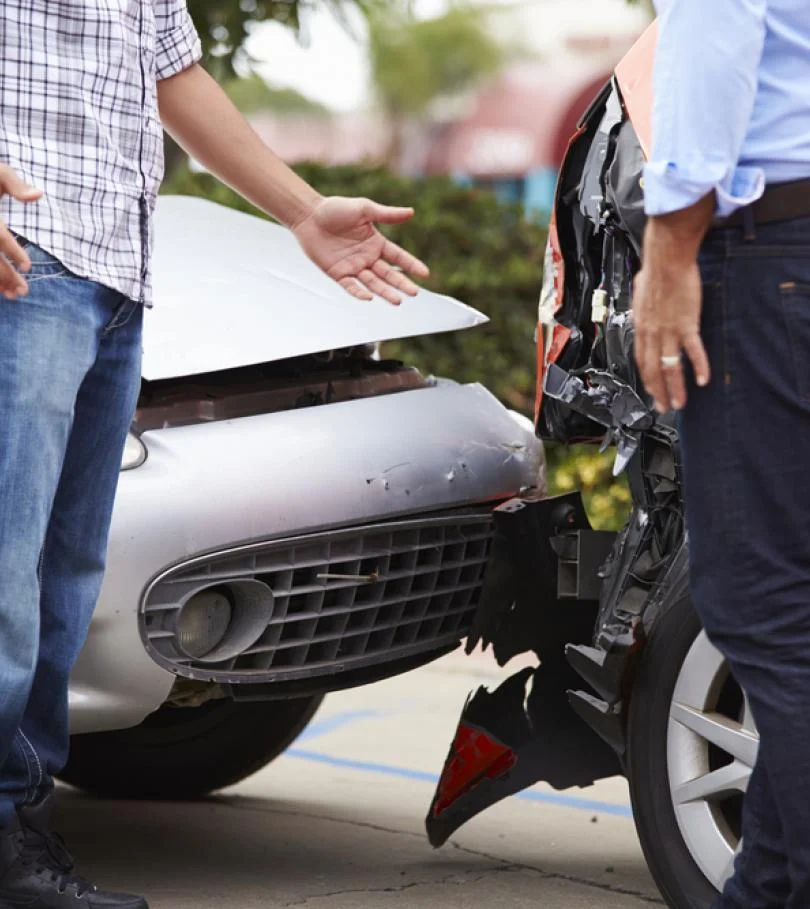
A rear-end collision is the most common yet underestimated crash on New York roads. One moment, you sit in traffic. The next, raw force slams into your vehicle. Physics takes over instantly. Metal crunches. Glass shatters. Your body absorbs the energy.
A rear-end collision involves a violent transfer of kinetic energy. A 4,000-pound sedan moving at 30 mph carries immense power. When it hits a stopped car, that energy must go somewhere. It travels through the bumper. It moves through the frame. Finally, it reaches you.
The striking vehicle stops abruptly. Your vehicle lurches forward. Your body, however, stays in place for a split second. Then, the seat pushes you forward. Your head snaps back. This is the “whiplash” effect. It happens faster than you can blink.
New York thrives on movement. Taxis rush to airports. Trucks haul food to grocery stores. Commuters flood the highways. This constant flow creates density. Density creates risk. Everyone is in a hurry. Following distances shrink. Drivers check phones. A rear-end collision is often the price of this speed. It is a predictable outcome of a busy economy.
Think of a rear-end collision as a betrayal of trust. You follow the rules. You stop at the red light. You yield for traffic. The driver behind you holds the power. They control the gap. They control the speed. When they fail, you pay the price. It is an ambush from behind. You cannot steer away. You cannot brake to escape. You are a sitting duck.
A rear-end collision is not a generic event. The specific vehicle that hits you matters. It changes the legal strategy. It changes the damage. We break down the distinct agents of chaos below.
Commercial trucks are heavy. A tractor-trailer can weigh 80,000 pounds. A rear-end collision with a semi-truck is often catastrophic. The physics are different here. A truck takes 40% longer to stop than a car. If a trucker loses focus, they cannot stop in time.
Uber and Lyft drivers live on their phones. They accept rides while driving. They check GPS maps constantly. This distraction leads to a rear-end collision. These drivers are often in a rush. Time is money for them. They follow too closely to weave through traffic.
Amazon, FedEx, and UPS vans are everywhere. These drivers face intense pressure. They have strict quotas. They must deliver hundreds of packages a day. They park illegally. They rush from stop to stop. A rear-end collision involving a delivery van is common in residential areas. These vans have large blind spots. They are heavier than cars.
Sanitation trucks and buses own the city streets. They are massive. They stop frequently. A rear-end collision with a garbage truck or MTA bus involves the government. These vehicles are armored steel. They cause massive damage to passenger cars.
The location dictates the nature of the crash. A rear-end collision in Manhattan differs from one in Queens. The road conditions shape the accident.
Manhattan traffic is dense. Cars move in spurts. Taxis cut lanes aggressively. A rear-end collision here usually happens at low speeds. However, the force is still harmful.
The BQE, the Belt Parkway, and the Cross Bronx Expressway are dangerous. Speeds are higher. Lanes are narrow. A rear-end collision here involves momentum.
Roads open up outside the city. Drivers speed up. Fatigue sets in. A rear-end collision on the Thruway or the LIE is violent.
Defendants try to hide. They want to avoid paying for your rear-end collision. They use legal tricks to shift blame.
Trucking and delivery companies love this trick. They say the driver is not an employee. They claim the driver is an “independent contractor.” They do this to protect the corporate assets.
Sometimes, the truck is owned by one company. The trailer is owned by another. The driver works for a third. They point fingers at each other.
This cannot be stressed enough. If a city vehicle causes your rear-end collision, the clock ticks fast.
Injuries are expensive. Pain disrupts your life. We translate physical damage into financial terms.
This is the hallmark of a rear-end collision. The head snaps. Muscles tear.
The spine compresses during impact. The discs between vertebrae rupture. Jelly-like fluid leaks out. It presses on nerves.
The brain slams against the skull. You do not need to hit your head to get a concussion. The force alone does it.
(Note: These are estimates based on common medical billing. Every case is unique. No outcome is guaranteed.)
The truth fades. Memories blur. Evidence disappears. You must act fast after a rear-end collision.
“Spoliation” is a legal term for the destruction of evidence. Companies overwrite data. They repair trucks. They delete logs.
Most modern cars have an Event Data Recorder. It captures the last 5 seconds before a crash.
Video is king. We canvas the area. We look for Ring doorbells. We look for security cameras on businesses.
You cannot change what happened. The crash is in the past. But you can control what happens next. The insurance company wants to pay you pennies. They want you to handle this alone. They count on your fatigue. Don’t let them drive the narrative. We know their playbook. We match their technology with ours and are always ready to assist you through your path to recovery. Get started by answering a few simple questions, your assigned care team will do the rest.
Answer a few simple questions to get started.
We assign a customized care team consisting of a lawyer, paralegal, and case manager to your claim.
Check in at your convenience to see how your case is going. Message your care team and upload documents right from your phone or choose another way to reach out and receive updates.
All of the emails, paperwork, meetings, calls, court appearances… it’s all free unless we win your injury case.
All of the emails, paperwork, meetings, calls, court appearances… it’s all free unless we win your injury case.
Because getting injured is hard, getting legal help doesn’t have to be. To provide a secure and customized experience, Pain Injury Law uses cookies and tracking technologies. By clicking “Allow All,” you affirmatively consent to our use of internal session-monitoring technologies for security purposes, as well as the sharing of your device identifiers, web traffic, and audio-visual video viewing history on our public pages with third-party advertising partners. By making a selection, you acknowledge you have read and agree to our Privacy Policy and Terms of Use.